Creating a flexible workspace solution is essential for modern businesses. This approach can enhance productivity, foster collaboration, and support employee well-being. To understand how to create a flexible workspace solution, consider the diverse needs of your team. A one-size-fits-all strategy may fall short.
Effective workspace solutions require careful planning and adaptability. Start by assessing your current layout. Identify areas that stifle creativity or collaboration. Small changes, like adjustable desks or meeting pods, can make a big difference. Involving employees in the design process can yield valuable insights. Remember, a workspace should reflect your company culture.
Furthermore, be prepared for continuous improvement. Monitor employee feedback regularly. What works today may need reassessment tomorrow. An evolving plan can keep pace with changing demands. Ultimately, how to create a flexible workspace solution is not just about space or design; it's about creating an environment that encourages innovation and engagement.
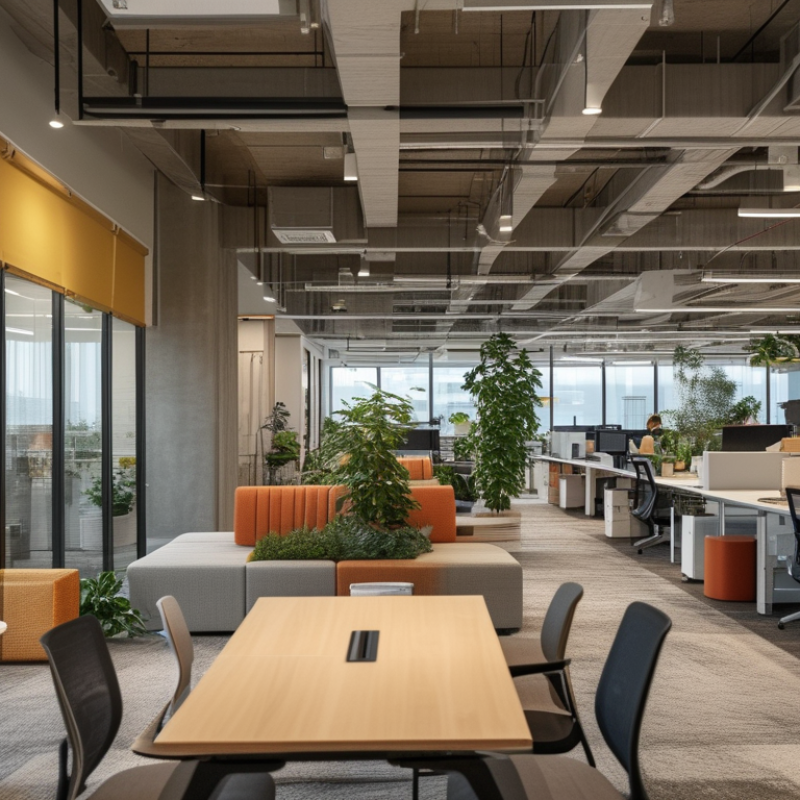
A flexible workspace solution adapts to various business needs. It allows employees to choose where and how they work. This approach encourages productivity and enhances job satisfaction. Companies can cut costs by reducing office space usage. However, this model may not suit every organization.
Embracing flexible workspaces requires understanding their components. Consider hot-desking, remote work options, and collaboration spaces. Each element supports diverse work styles. Yet, many businesses struggle with managing these spaces effectively. Communication can suffer without proper systems in place.
Organizations must find a balance between flexibility and structure. Employees thrive in environments that respect their preferences. Limiting choices can lead to frustration. Regular feedback is essential to refine the workspace experience. This ongoing process helps create a truly adaptable environment.
Creating a flexible workspace requires a clear understanding of business needs and goals. A 2022 report from Global Workplace Analytics revealed that 76% of employees believe workplace flexibility increases productivity. By assessing these needs, businesses can design environments that cater to varying work styles, enhancing both employee morale and output.
Flexibility isn't just about remote work options. It involves understanding team dynamics, project requirements, and individual preferences. According to a survey by Buffer, 32% of remote workers feel isolated when working from home. Companies must consider integrating collaborative spaces to foster teamwork and creativity. Moreover, regular feedback from employees can provide insights into what they truly need for a productive workspace.
While embracing flexibility, some challenges arise. Adjusting company culture to support remote or hybrid work can be complex. Companies might encounter resistance when shifting from traditional structures. The importance of ongoing training and communication cannot be overlooked. Regular assessments will help identify gaps in the workspace design and ensure that it remains aligned with evolving goals.
| Business Needs | Flexibility Goals | Workspace Type | Number of Employees | Technology Requirements |
|---|---|---|---|---|
| Collaboration | Enhanced Communication | Open Plan | 50 | High-Speed Internet, Video Conferencing Tools |
| Remote Work | Work-Life Balance | Hybrid Model | 30 | Cloud Storage, Collaboration Software |
| Cost Efficiency | Reduced Overheads | Flexible Office Space | 20 | Resource Management Tools |
| Employee Satisfaction | Increase Retention Rates | Co-Working Spaces | 75 | Mobile Access, Productivity Apps |
Designing the physical layout of a flexible workspace is crucial in fostering collaboration and productivity. A recent report from the Global Workspace Survey revealed that 67% of employees prefer environments that allow mobility and adaptability. Incorporating both open spaces and private areas can significantly enhance employee satisfaction.
Visual elements can play a vital role. Natural light is highly effective in improving mood and energy levels. Research indicates that spaces with ample natural lighting see a 20% increase in employee performance. Create inviting areas with comfortable seating arrangements.
Focus on technology integration. Wi-Fi accessibility and charging stations must be readily available. A study found that 80% of workers value technology as an essential aspect of their workplace. Keep in mind, space should accommodate growth and change. Flexibility is key, but so is balance; too much open space can hinder focus.
Encourage exploration. Allow employees to choose their work environment based on their tasks. This autonomy can lead to increased creativity. Regularly gather feedback to refine the layout. Reflection is vital in evolving workspace effectiveness, making continuous improvement a priority.
In today's fast-paced world, creating a flexible workspace is crucial for business success. Implementing technology effectively enhances this adaptability. A reliable cloud-based communication platform allows teams to collaborate seamlessly. Remote access to files and tools ensures productivity, regardless of location.
Consider using project management software to track progress. This adds transparency and keeps everyone aligned. Real-time updates help manage projects efficiently. With technology, teams can stay connected and engaged, even from afar. Addressing potential challenges is vital. Sometimes, tech can fail, leading to disruptions, so having backup solutions is important.
Investing in ergonomic furniture can improve employee comfort. This promotes well-being and productivity in hybrid settings. Technology should support physical layouts, not dictate them. It's crucial to evaluate how these tools affect employee dynamics. Reflect on what works well and what doesn’t. This approach helps in fine-tuning the workspace to meet evolving needs.
Creating a flexible workspace requires carefully crafted policies and guidelines. Clear communication is key. Define expectations around working hours and availability. Consider hybrid arrangements to balance remote and in-office work. Employees need to understand how these changes affect collaboration.
Establishing guidelines for communication is crucial. Set rules for response times on messages or emails. This prevents confusion and helps maintain work-life balance. However, be open to adjustments. Not every employee may thrive under the same conditions. Regularly seek feedback on guidelines to ensure they remain effective.
Flexibility can create challenges. Some employees may struggle with boundaries, leading to burnout. Encourage managers to check in with their teams. This builds trust and fosters a supportive environment. Acknowledge that not all policies will work for everyone. Adjusting policies over time is a natural part of developing a flexible workspace.
: A flexible workspace solution adapts to employee needs and preferences. It enhances job satisfaction and productivity.
Many employees believe workplace flexibility increases productivity. Assessing needs helps design better work environments.
Key components include hot-desking, remote work options, and collaboration spaces. Each supports different work styles.
Companies might face resistance to change. Managing communication and adjustments can be difficult as well.
Regular feedback helps refine the workspace experience. It ensures that the environment aligns with employee needs.
Clear policies set expectations for communication and working hours. They help maintain balance and prevent confusion.
Some may struggle with boundaries, leading to burnout. It's essential to encourage team check-ins.
Policies should be open to change over time. Not all guidelines will suit every employee's needs.
Integrating collaborative spaces can help reduce feelings of isolation among remote workers.
Adjusting company culture for remote work is complex. Ongoing training and communication are crucial for success.
Creating a flexible workspace solution is essential for modern businesses aiming to boost collaboration and productivity. To embark on this journey, businesses must first understand the concept of flexible workspaces and assess their specific needs and goals related to flexibility. This involves identifying the types of work that require adaptability and designing a physical layout that encourages such an environment, including areas for collaboration and quiet focus.
Additionally, implementing technology that supports remote communication and project management is crucial to facilitating a flexible work approach. Finally, establishing clear policies and guidelines for flexible work practices ensures that all employees understand the expectations and can navigate this new environment effectively. By following these steps, organizations can learn how to create a flexible workspace solution that meets their evolving needs.

CasaDe Home