Are Modular Buildings a Good Choice for Hotels?

Time:2026-05-25 Author:Ethan
0%

In recent years, the hospitality industry has seen a surge in interest surrounding modular buildings. Many wonder, are modular buildings good for hotels? These structures offer flexibility and quick construction times. But they also bring challenges. Understanding the benefits and limitations is essential for hotel developers and investors.

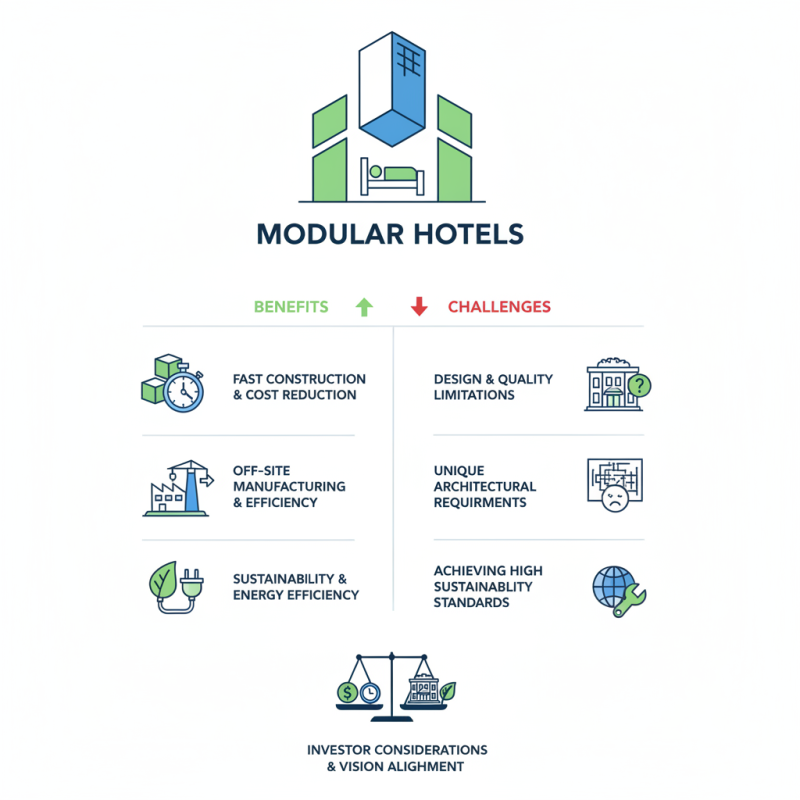
Modular buildings can reduce construction costs and time significantly. This means hotel businesses can open their doors faster. Additionally, these buildings are often built off-site, which can streamline the construction process. However, potential hotel owners must consider quality and design limitations. Not all modular options may fit the luxury market or unique architectural requirements of certain locations.

Another factor to explore is sustainability. Modular buildings are often more energy-efficient than traditional structures. This appeals to eco-conscious travelers and can enhance a hotel’s reputation. Yet, achieving high sustainability standards in modular construction can be tricky. Investors must weigh these elements carefully to determine if modular technology aligns with their vision.
Are Modular Buildings a Good Choice for Hotels?

What are Modular Buildings and How Do They Work?

Modular buildings are a modern construction solution. They consist of pre-fabricated units built off-site. These sections are then transported to the final location, where they are assembled. This process can significantly reduce construction time compared to traditional methods. Standardized designs help in maintaining quality. The flexibility in design allows for customized layouts to meet specific needs.

However, there are challenges to consider. The logistics of transporting large modules can be complex. Local zoning laws may pose restrictions, which can delay projects. Weather conditions also impact the assembly phase. Modular buildings can sometimes lack the aesthetic appeal of traditional structures. This is a critical factor in the hospitality industry, where ambiance matters.

Despite these concerns, modular hotels can be cost-effective. They often result in lower operational costs over time. The construction process generates less waste, promoting sustainability. This approach may not suit every hotel concept, but it holds promise for future developments. Choosing modular buildings requires careful planning and consideration of both benefits and drawbacks.

Benefits of Modular Construction for the Hotel Industry

Modular construction is becoming a game changer for the hotel industry. Recent studies show that modular buildings can reduce construction time by up to 50%. This allows hotels to open sooner and start generating revenue faster. With labor shortages and rising costs in traditional construction, modular methods offer a viable alternative.

The environmental impact of modular buildings is also significant. Reports indicate that modular construction can cut waste by 30% compared to conventional methods. This efficiency supports sustainability goals, which are increasingly important to travelers today. A survey found that 70% of guests prefer eco-friendly accommodations, making modular hotels an appealing choice.

However, reliance on standardized designs may limit creativity. Unique architectural features might be sacrificed for efficiency. It's crucial for hotel developers to strike a balance between efficiency and distinctive design. As the market evolves, it will be interesting to see how modular buildings address these challenges while meeting the growing demand for sustainable hospitality options.

Challenges and Considerations in Modular Hotel Development

Modular buildings offer a fresh approach to hotel development. However, several challenges arise during this process. One primary consideration is the logistics of construction. Modular units must be transported carefully to the site, ensuring they arrive undamaged and on schedule. This can complicate timelines and increase costs unexpectedly.

Design flexibility is another area that requires attention. Modular hotels need to balance aesthetic appeal with functionality. Customizing unit sizes and configurations demands careful planning. Poor planning could lead to a mismatch between design expectations and the final product.

Additionally, regulatory hurdles can be significant. Local building codes may impose restrictions on modular construction. Navigating these regulations often requires expert knowledge. Misunderstanding the compliance requirements can delay the project launch. These challenges highlight the need for thorough research and careful strategy in modular hotel development.

Are Modular Buildings a Good Choice for Hotels? - Challenges and Considerations in Modular Hotel Development

Dimension Considerations Challenges Benefits
Construction Time Rapid assembly due to pre-fabrication Weather delays during on-site assembly Faster opening time for hotel operations
Design Flexibility Modular designs allow for customization Limited by sizing and shape of modules Unique architectural opportunities
Cost Efficiency Potential savings on labor and materials Initial higher investment for modular design Long-term cost savings through durability
Sustainability Less waste generated during construction Challenges in achieving net-zero energy Green building certifications more accessible
Regulatory Hurdles Needs to meet local building codes Potential for lengthy approval processes Potentially easier permitting for modular plans

Case Studies: Successful Modular Hotels Around the World

Modular buildings have gained traction in the hospitality sector, showcasing successful implementations worldwide. Many hoteliers appreciate the speed and efficiency of modular construction. For example, a modular hotel in the UK was erected in just 12 weeks, offering budget-friendly accommodations to travelers. This quick turnaround is crucial in today’s fast-paced hospitality market.

The flexibility of modular design allows for customization. A recent case study in Canada highlights a modular hotel that integrates local architectural styles. Combining modern aesthetics with local culture creates a unique guest experience. However, some challenges arise. Not every market is ready for modular solutions. There may be zoning restrictions or local regulations that complicate installation. These hurdles require thorough planning and consultation with local authorities.

A successful modular hotel in Australia shows the potential for eco-friendly options. This project features sustainable materials and energy-efficient technologies. Yet, modular construction isn't without criticism. Some argue that it lacks the charm of traditional buildings. This perception can affect guest expectations. As modular hotels become more prevalent, the industry must address these concerns. Balancing efficiency with character remains a critical task for developers.

Are Modular Buildings a Good Choice for Hotels?

This chart represents the number of modular hotels built across different continents in recent years, showcasing the growing trend of modular construction in the hospitality industry.

Future Trends in Modular Hotel Construction and Design

Modular buildings are gaining traction in the hotel sector. Recent reports indicate that modular construction could reduce building time by up to 50%. This efficiency is crucial in a market where speed significantly impacts profitability. Designers are focusing on flexibility, offering adaptable spaces that cater to diverse guest needs.

As the demand for sustainability grows, modular hotels are stepping up. According to a 2023 industry study, they can reduce waste by as much as 90% compared to traditional construction. This aligns with the hospitality industry's push towards greener practices. Innovative materials, such as cross-laminated timber, are emerging in designs. These materials not only enhance aesthetics but also improve energy efficiency.

Despite the advantages, there are challenges. Regulations can vary, impacting timelines and costs. Additionally, the perception of modular buildings as "temporary" needs addressing. Education on the durability and design possibilities of modular structures is essential. The future of hotel construction will likely hinge on overcoming these hurdles while embracing the benefits.

FAQS

: What are modular buildings?

: Modular buildings consist of pre-fabricated units built off-site and assembled at the final location.

How do modular buildings reduce construction time?

They can cut construction time by up to 50%, allowing faster openings for hotels.

What are the environmental benefits of modular construction?

It can reduce waste by 30%, supporting sustainability goals important to travelers.

Are there any challenges with modular buildings?

Yes, challenges include complex transportation logistics and local zoning law restrictions.

Can modular hotels be customized?

Yes, they allow for design flexibility, though relying on standard designs may limit creativity.

Do modular hotels lack aesthetic appeal?

Some perceive them as less charming than traditional buildings, which might affect guest expectations.

What planning is required for modular construction?

Developers must consult local authorities to navigate zoning and regulatory challenges.

Is modular construction suitable for every hotel concept?

It may not be ideal for every concept, requiring careful evaluation of benefits and drawbacks.

How does labor shortage affect modular construction?

Modular methods offer a viable alternative amidst rising costs and labor shortages in traditional construction.

What can be done to improve the perception of modular hotels?

Balancing efficiency with distinct design features is essential to enhance guest experience.

Conclusion

Modular buildings are prefabricated structures made from sections or modules that are constructed off-site and assembled on location. In the hotel industry, these constructions offer several advantages, including faster build times, cost efficiency, and reduced waste. As modular construction gains popularity, many hotels are benefiting from its sustainability and flexibility, making the question "are modular buildings good for hotels?" increasingly relevant.

However, challenges such as zoning regulations, financing hurdles, and perceptions of quality remain significant considerations for developers. Successful case studies have emerged globally, showcasing innovative modular hotels that have thrived. As trends evolve, the future looks bright for modular hotel construction, with advancements in design and technology promising to enhance guest experiences and operational efficiencies, further solidifying the viability of modular buildings in the hospitality sector.

Ethan

Ethan

Ethan is a seasoned marketing professional with a deep expertise in our company's innovative product line. With a passion for sharing knowledge and insights, he takes the lead in regularly updating our corporate blog, where he explores industry trends, product features, and effective marketing......