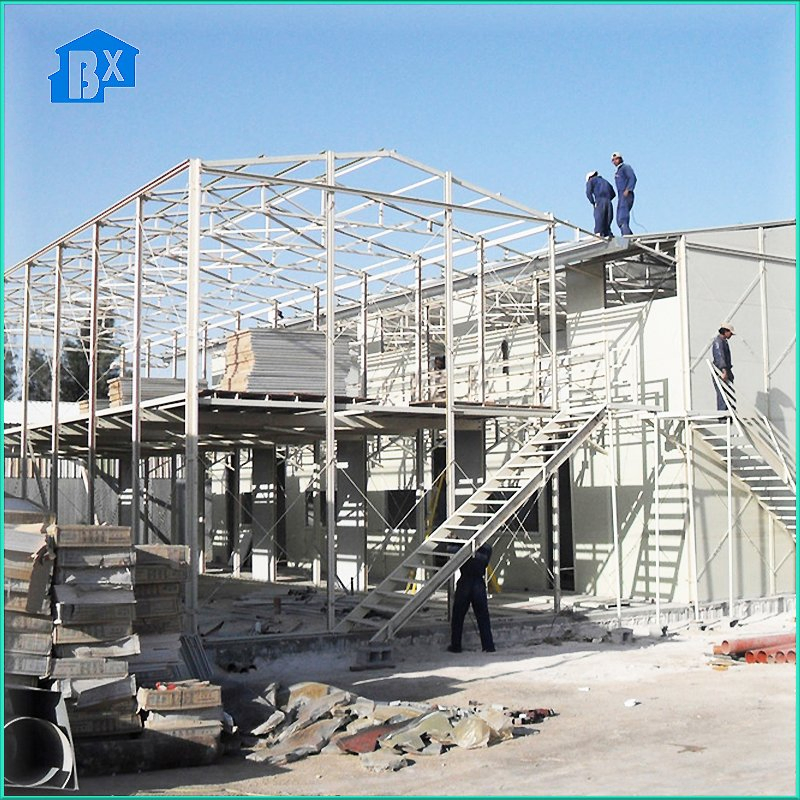
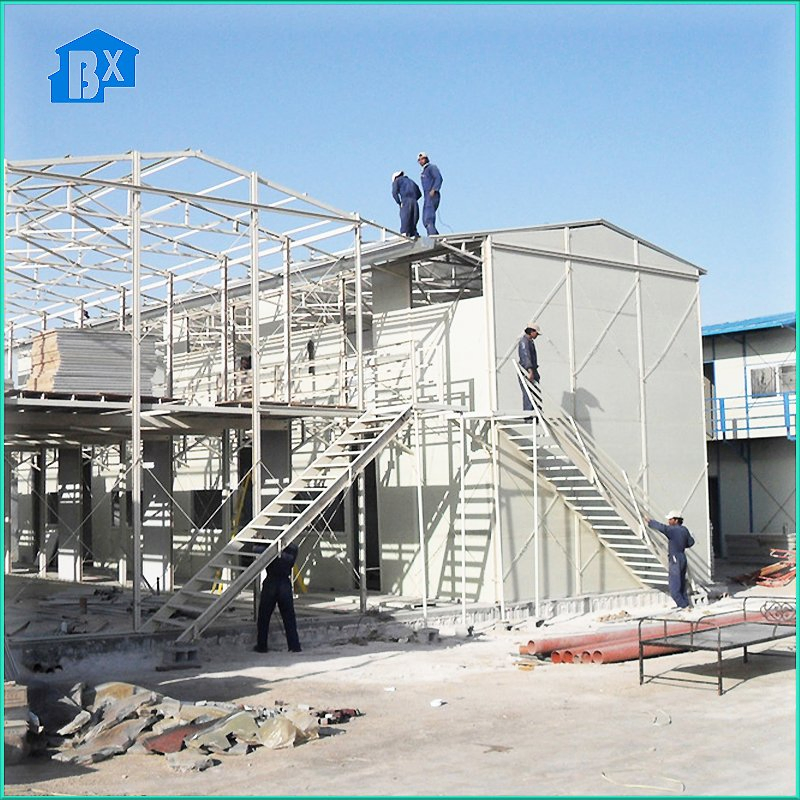
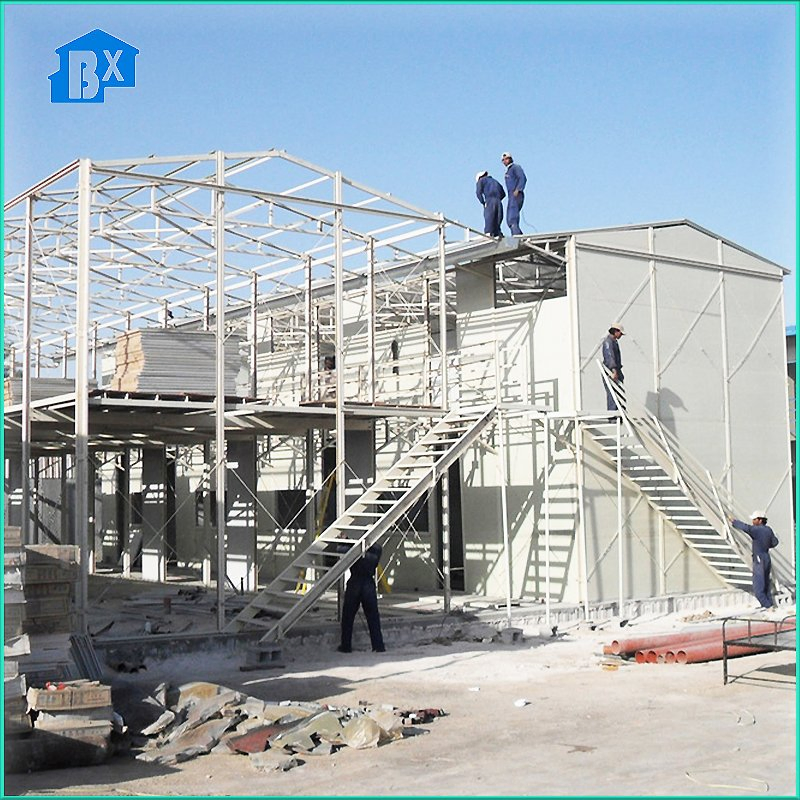
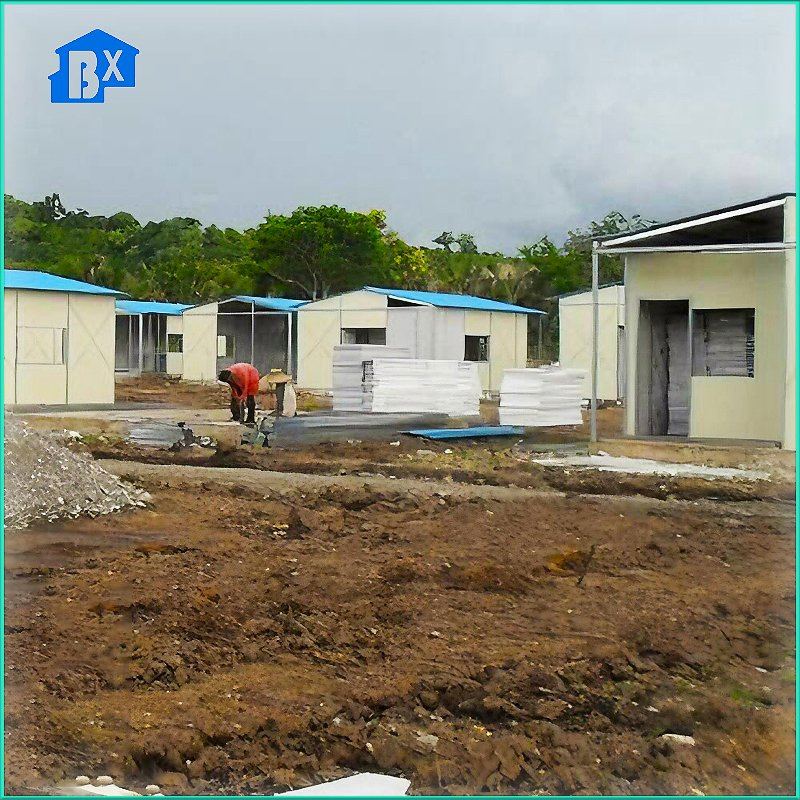
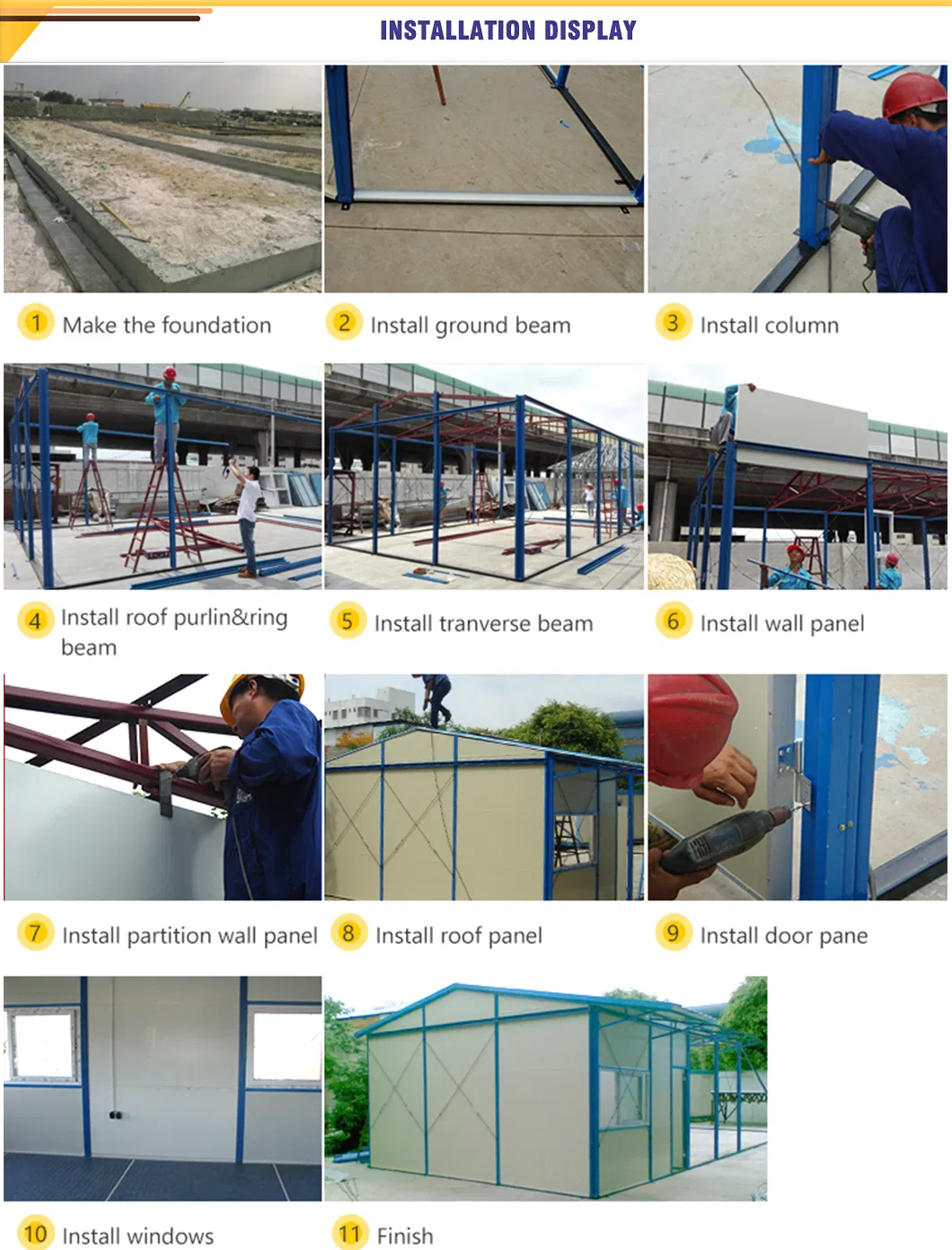
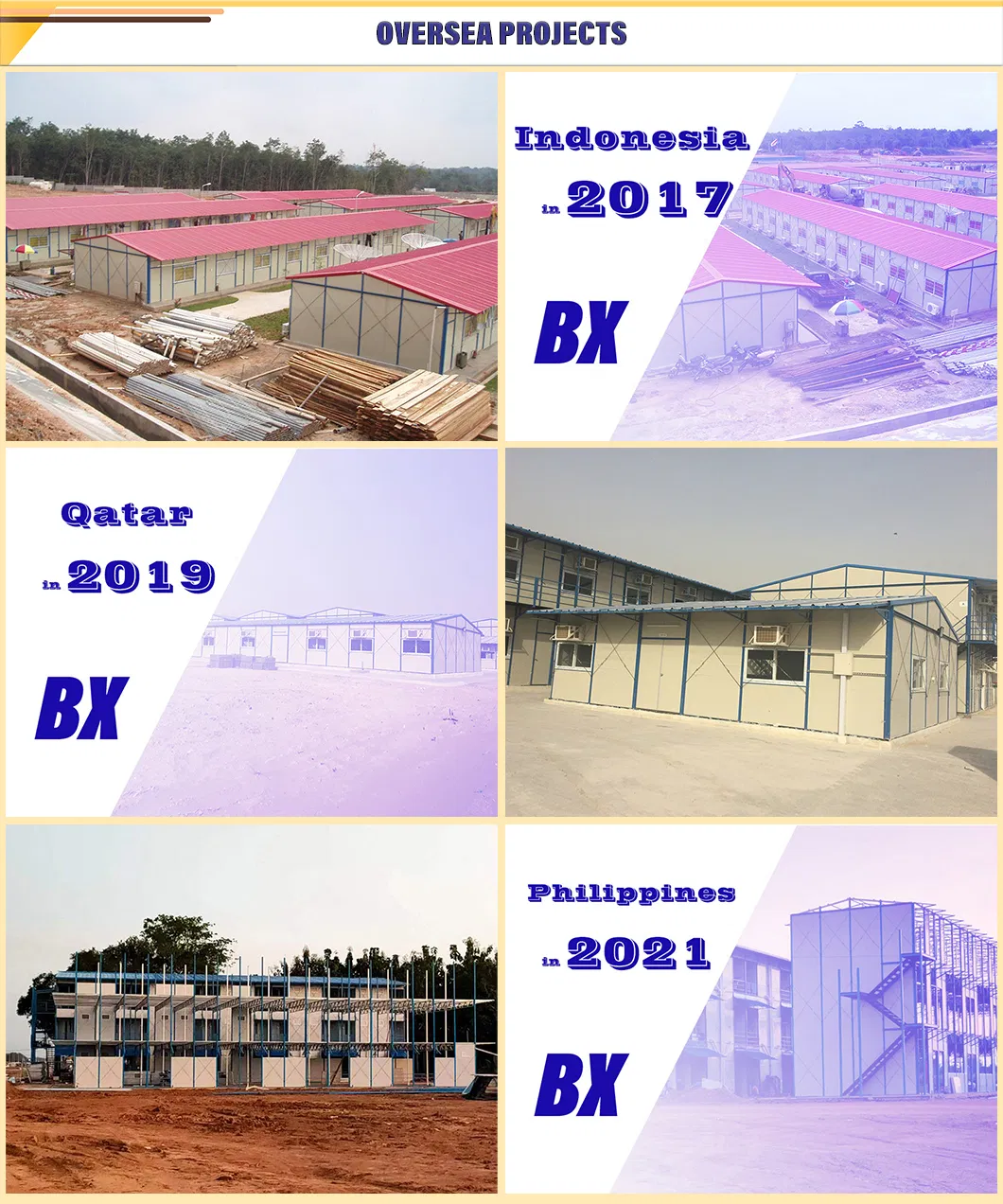
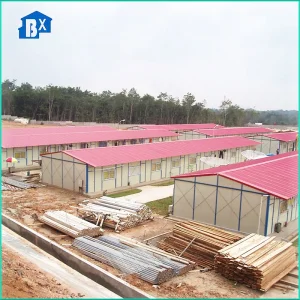
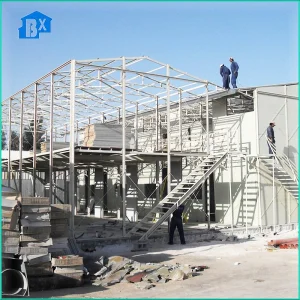
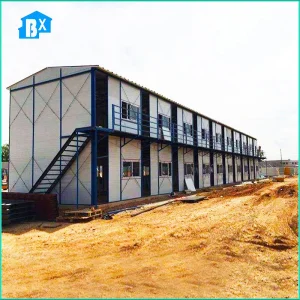
✔Installation: 4-person team can install 80-100 sqm per day.
✔Eco-Friendly: Recyclable materials; reusable for over 10 cycles.
IV. System Advantages
V. K-Type vs T-Type Prefab Houses
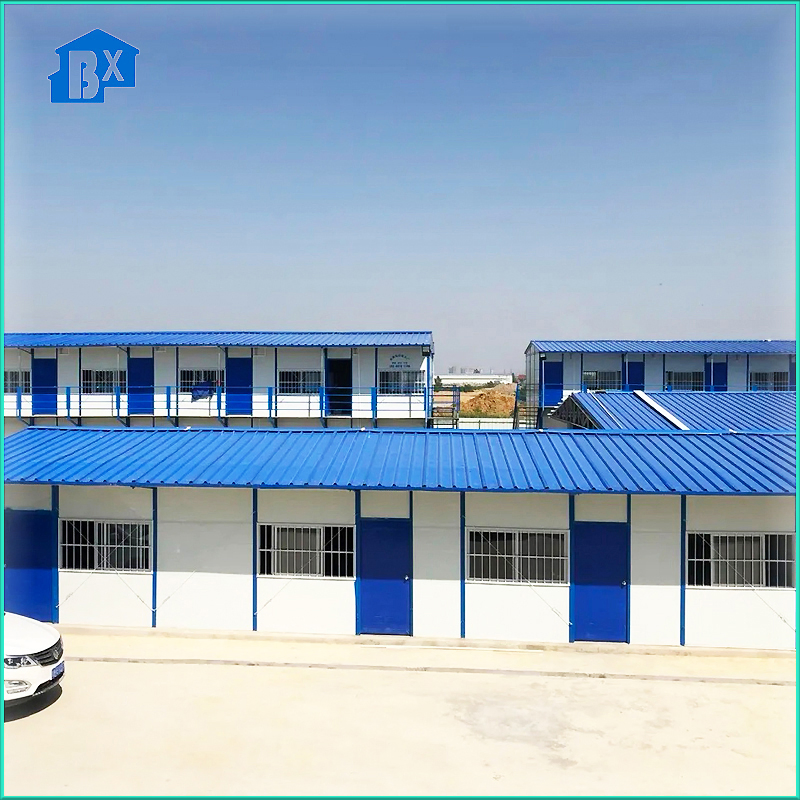
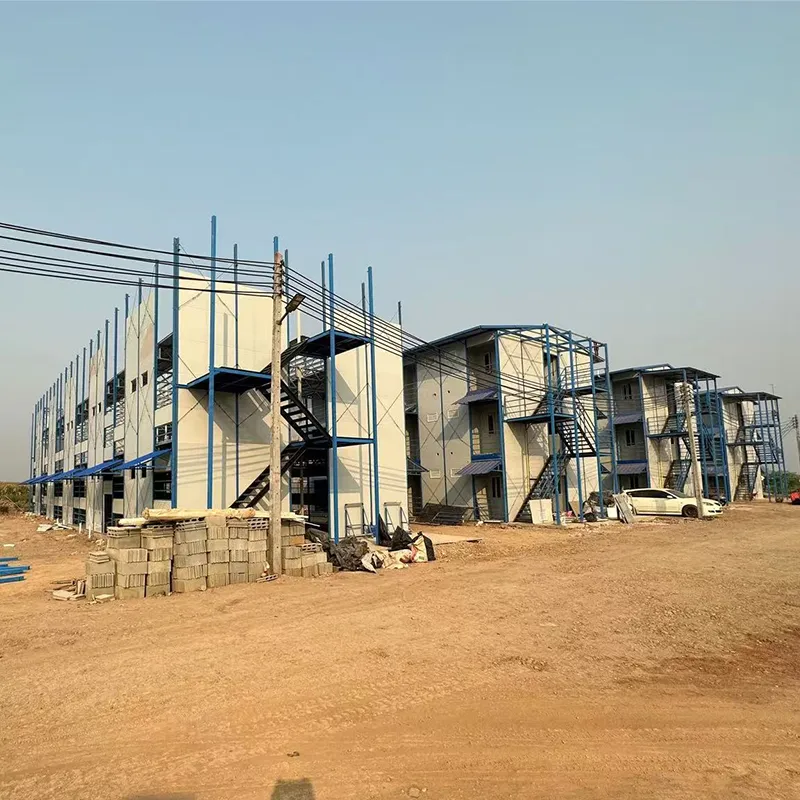
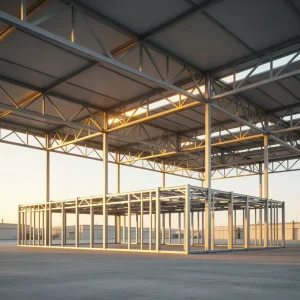
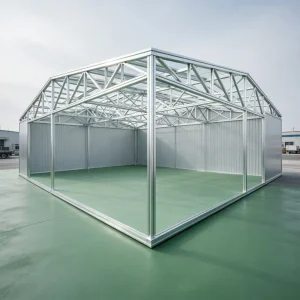
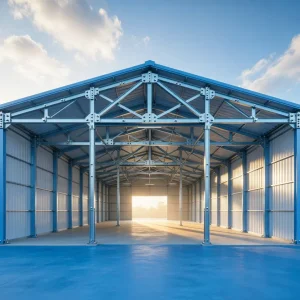
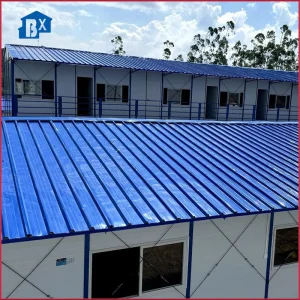
K-type: Features K-shaped steel frame for superior wind/seismic resistance; ideal for harsh outdoor environments.
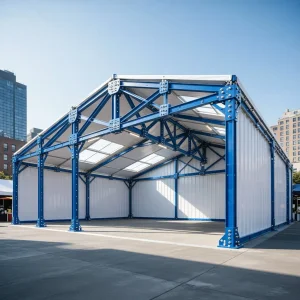
T-type: Prioritize mobility and aesthetics; better suited for long-term commercial or residential use.
Frequently Asked Questions
1. How to install the prefab houses on site?
We provide comprehensive installation manuals with photos, drawings, and videos. 93% of clients install via local teams. Alternatively, we can send technicians to site for guidance or training at our facility for larger orders.
2. What are the main advantages of a prefab house?
Recyclability (easy disassembly and re-installation), significantly lower cost than traditional buildings, rapid installation (150 sqm/day with 6 skilled persons), and safety (Grade 7 earthquake and 100km/H wind resistance).
3. How do I maintain my prefab house for longevity?
Avoid structural changes like cutting walls or removing screws. We recommend repainting every 1-2 years to extend service life. Never tie electrical wires directly to the steel frame to avoid shocks.
4. How many floors can the K-style prefab house support?
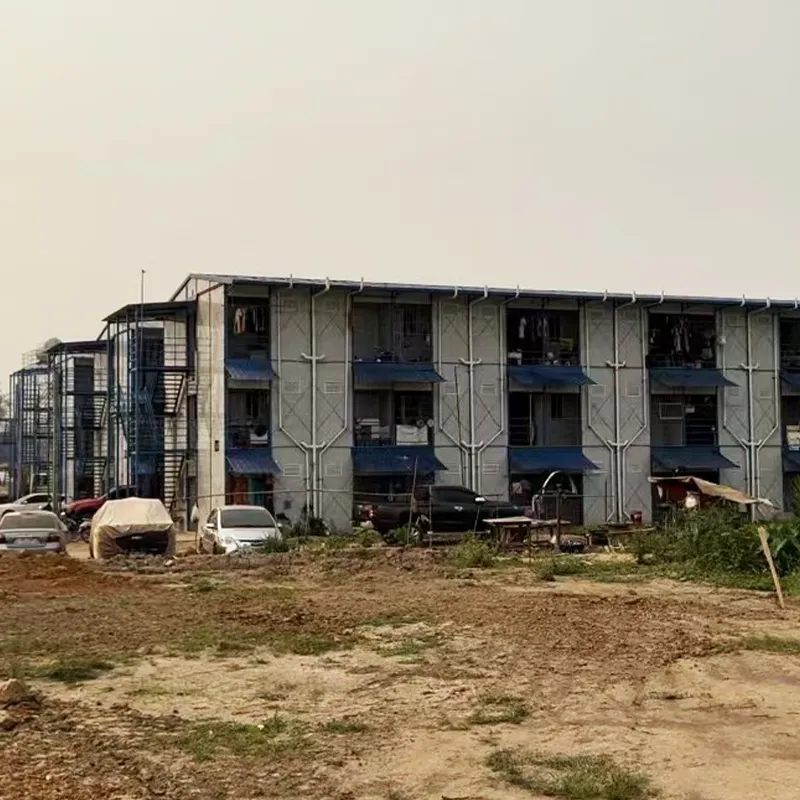
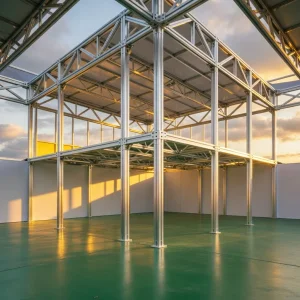
We generally recommend 1 or 2 floors. The maximum height is 3 floors. For buildings higher than 3 floors, we suggest a T-house design supported by H-shape steel for better structural integrity.
5. What thermal insulation materials are available?
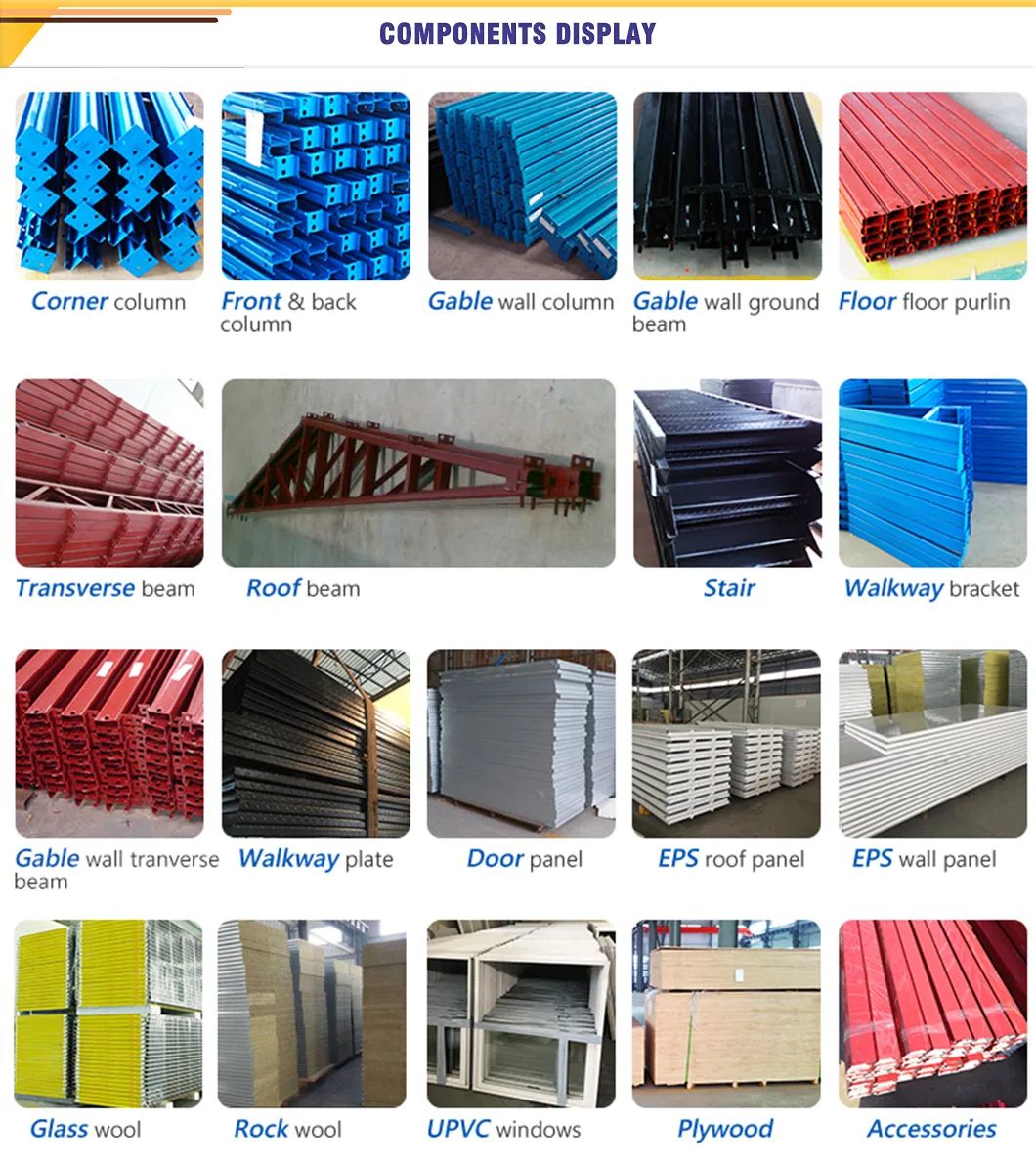
We offer four options: EPS sandwich panel, Glass wool sandwich panel, Rock wool sandwich panel, and PU (polyurethane) sandwich panel, depending on your climate requirements.
6. How is the foundation prepared for a K-style house?
We provide technical foundation drawings. Typically, the K-style prefab house requires a simple strip foundation for stability.
 CasaDe Home