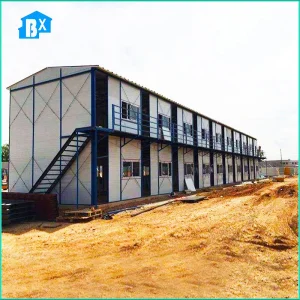
K-type vs T-type Prefab Houses
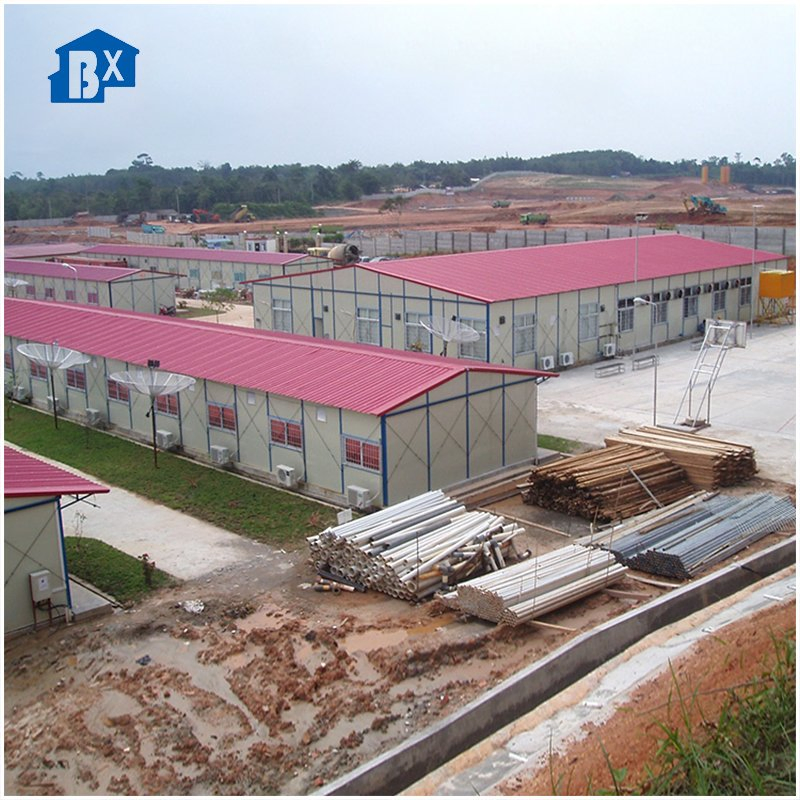
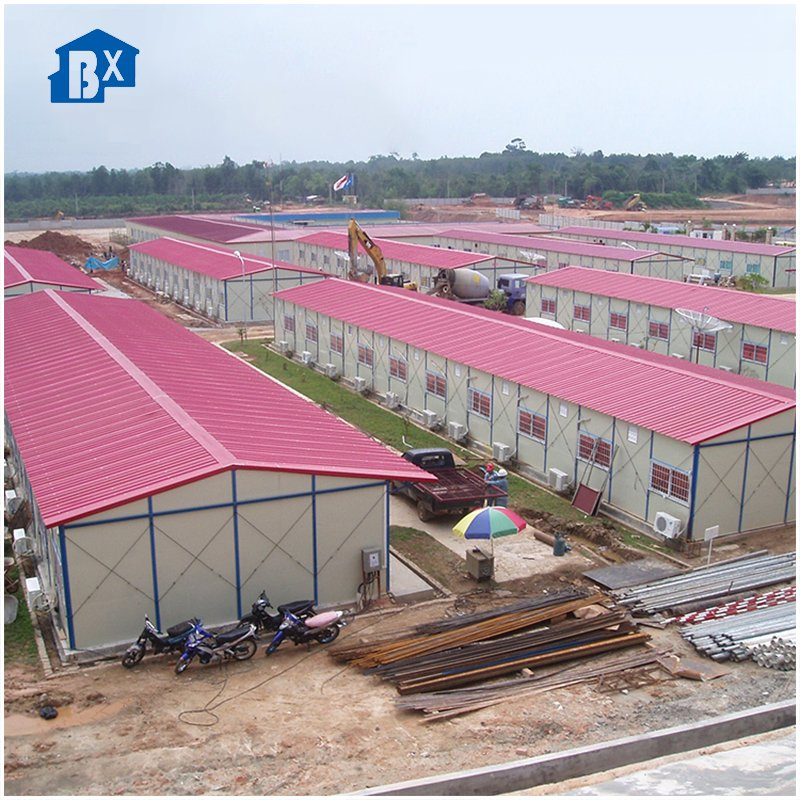
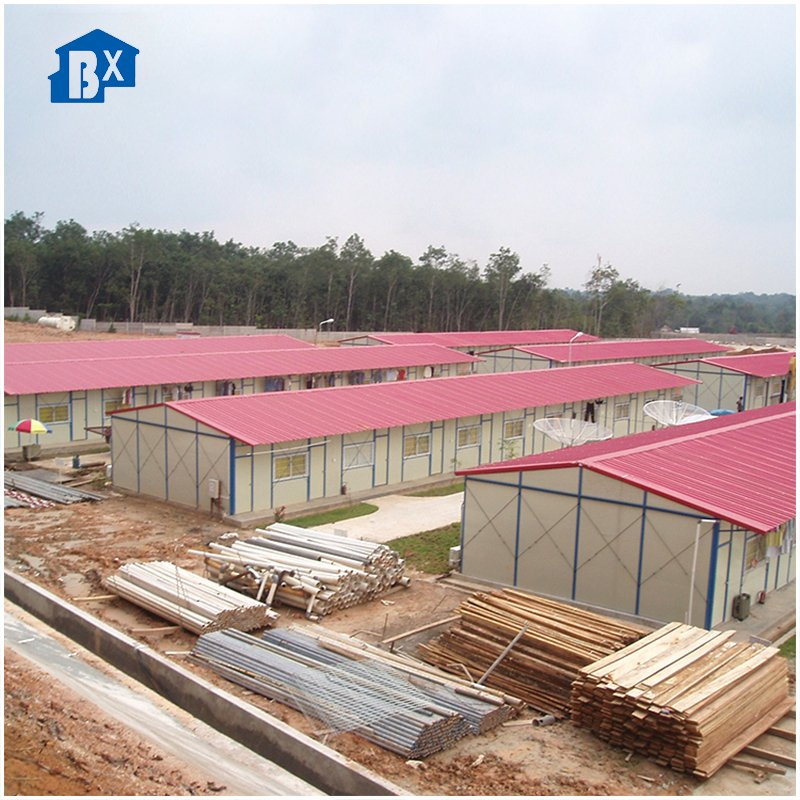
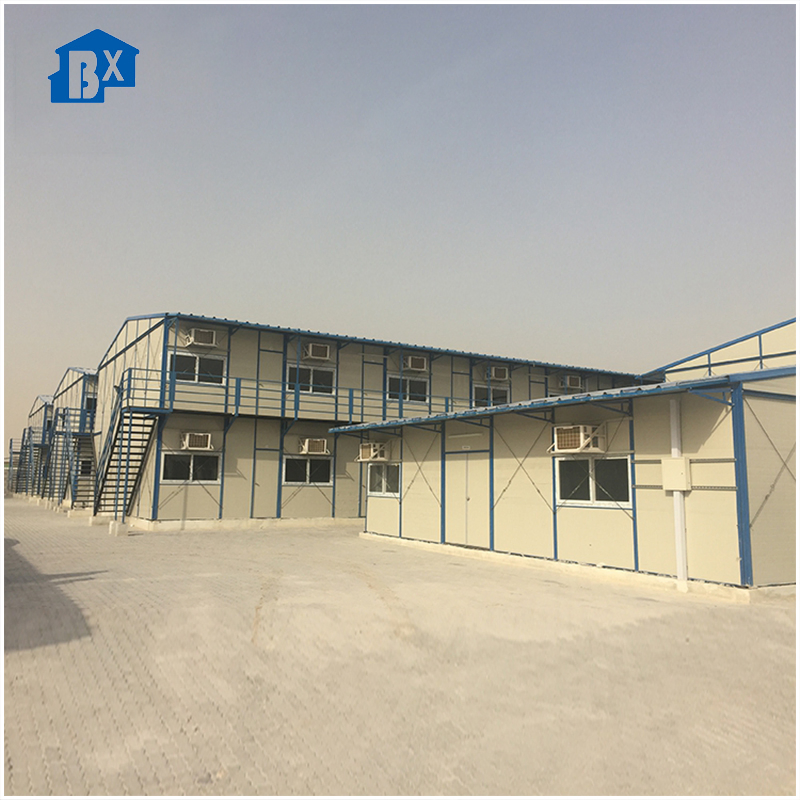
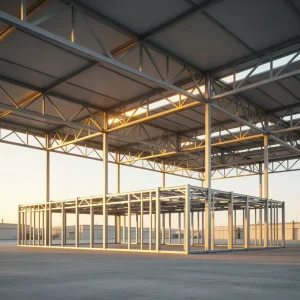
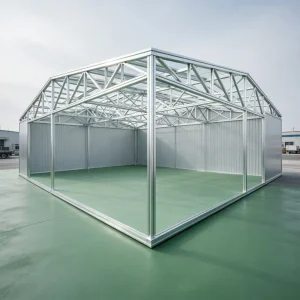
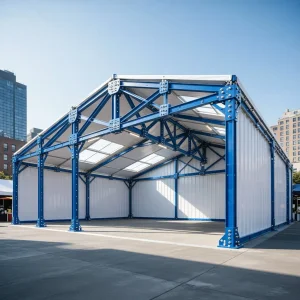
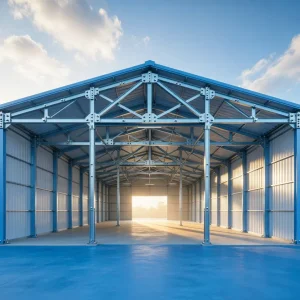
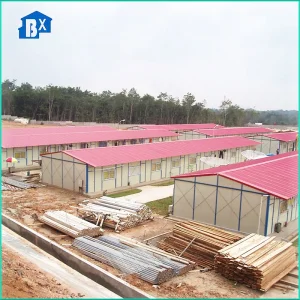
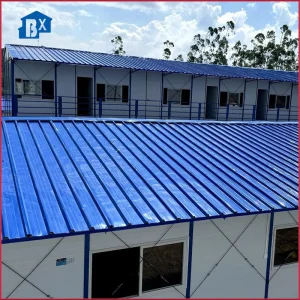
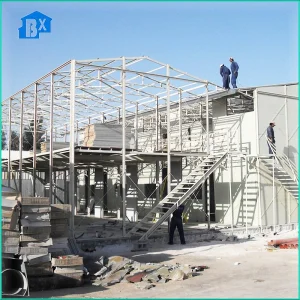
K-type: Features a K-shaped steel frame for superior wind and seismic resistance, making it ideal for harsh outdoor environments.
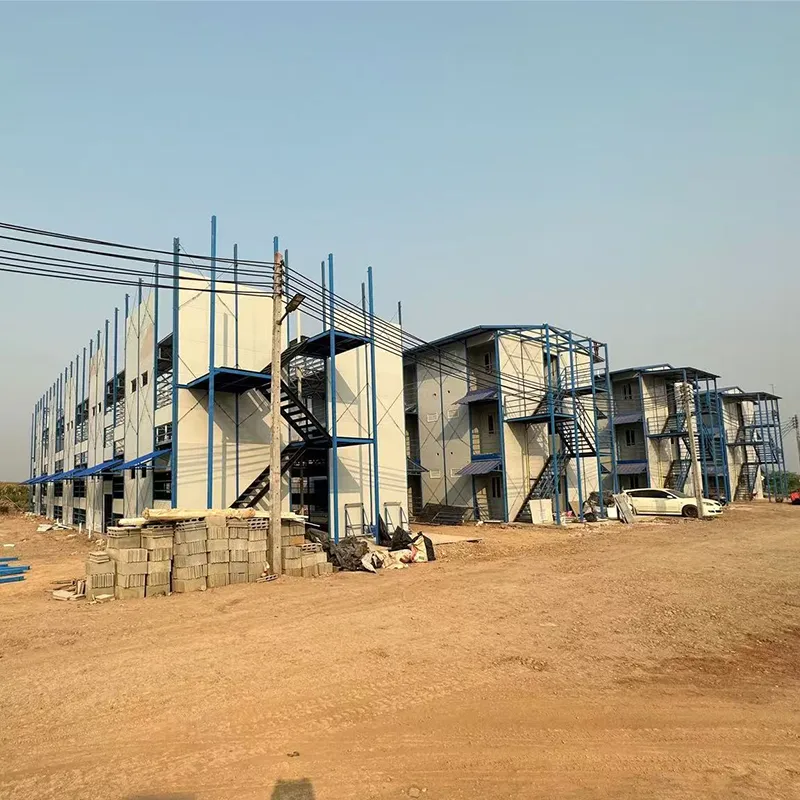
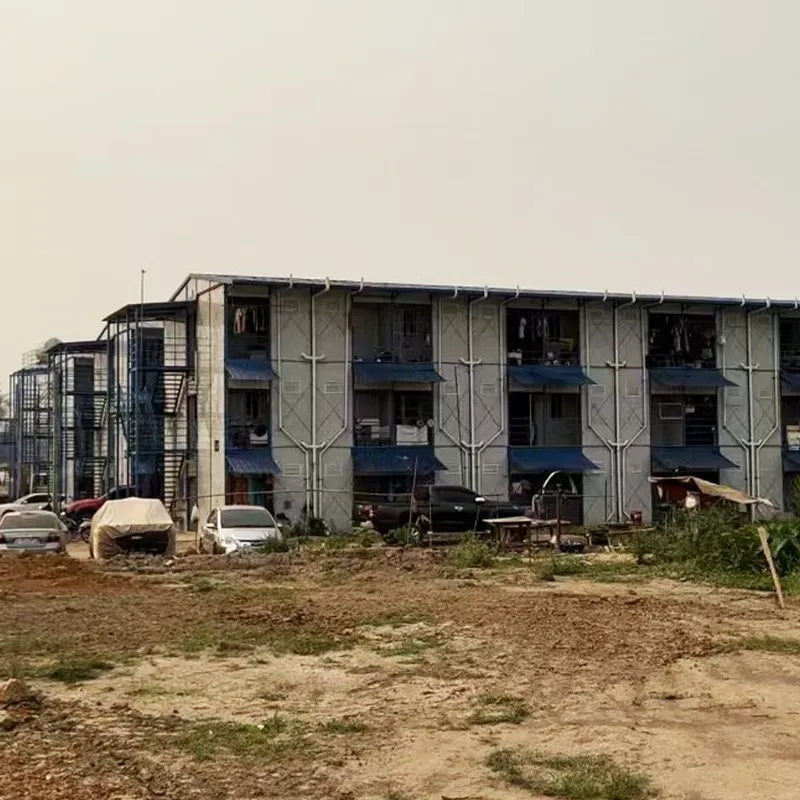
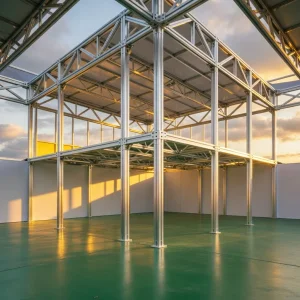
T-type: Prioritizes mobility and aesthetics, better suited for long-term commercial or residential use with H-shape steel support.
Frequently Asked Questions
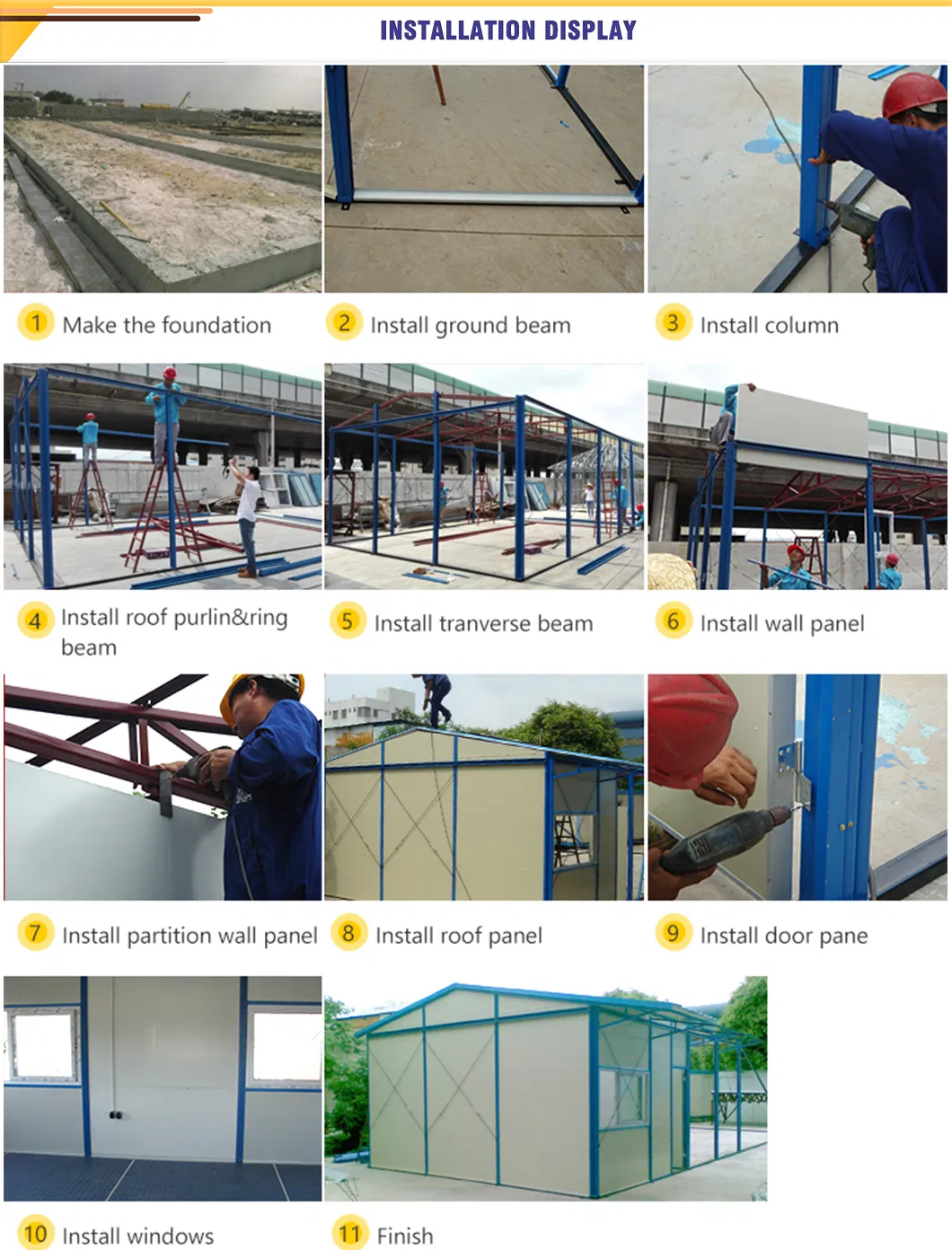
How to install the houses on-site?
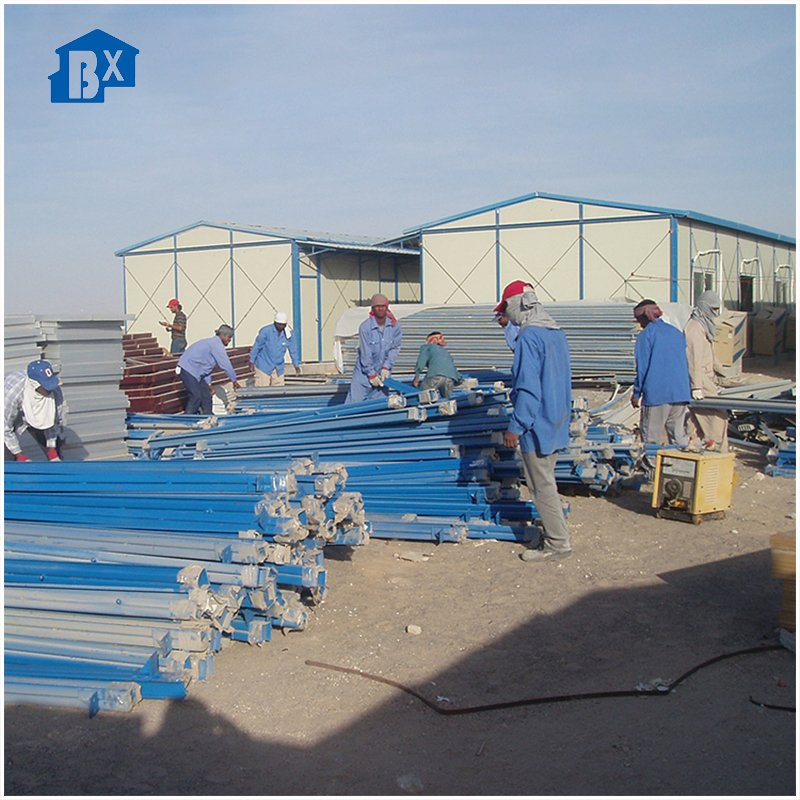
We provide comprehensive manuals with photos, drawings, and videos. Most clients (93%) complete installation using local labor guided by these materials. Technical teams can also be dispatched for large orders.
What are the main advantages of prefab houses?
Key benefits include recyclability (easy disassembly and re-installation), low cost compared to traditional buildings, rapid installation (150 sqm/day with 6 people), and high safety standards.
How should the prefab house be maintained?
Avoid structural changes after installation. We recommend re-painting every 1-2 years to increase service life. Ensure no electrical wires are tied directly to the steel frame to prevent accidents.
How many floors can a K-style house have?
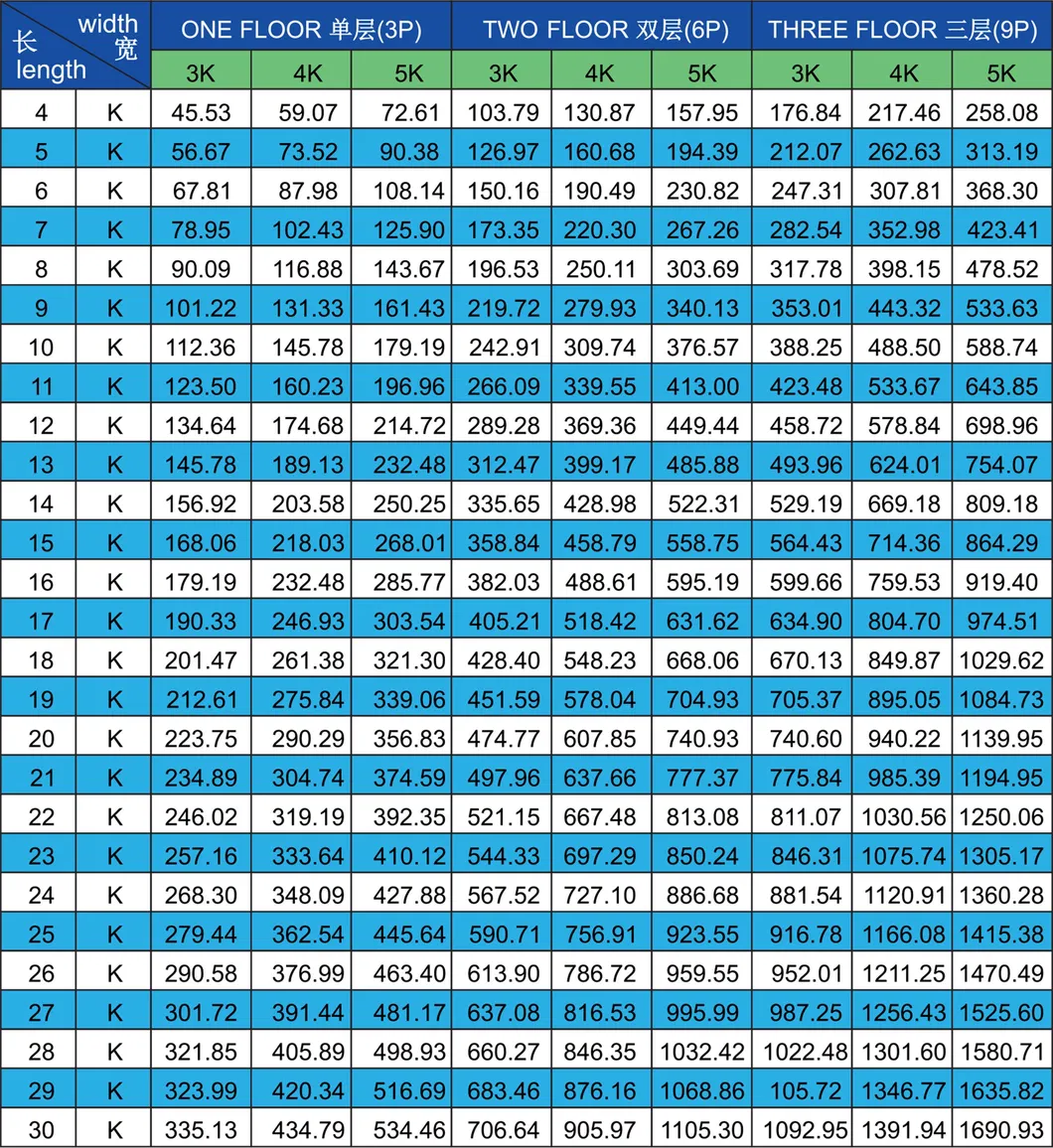
K-style houses are typically built in 1 or 2 floors. While 3 floors are possible, we do not recommend exceeding this height. For structures over 3 floors, a T-house design with H-shape steel is preferred.
What foundation is required for K-style houses?
We provide specific foundation drawings for every project. Generally, K-style prefab houses require a standard strip foundation for stability.
What materials are available for thermal insulation?
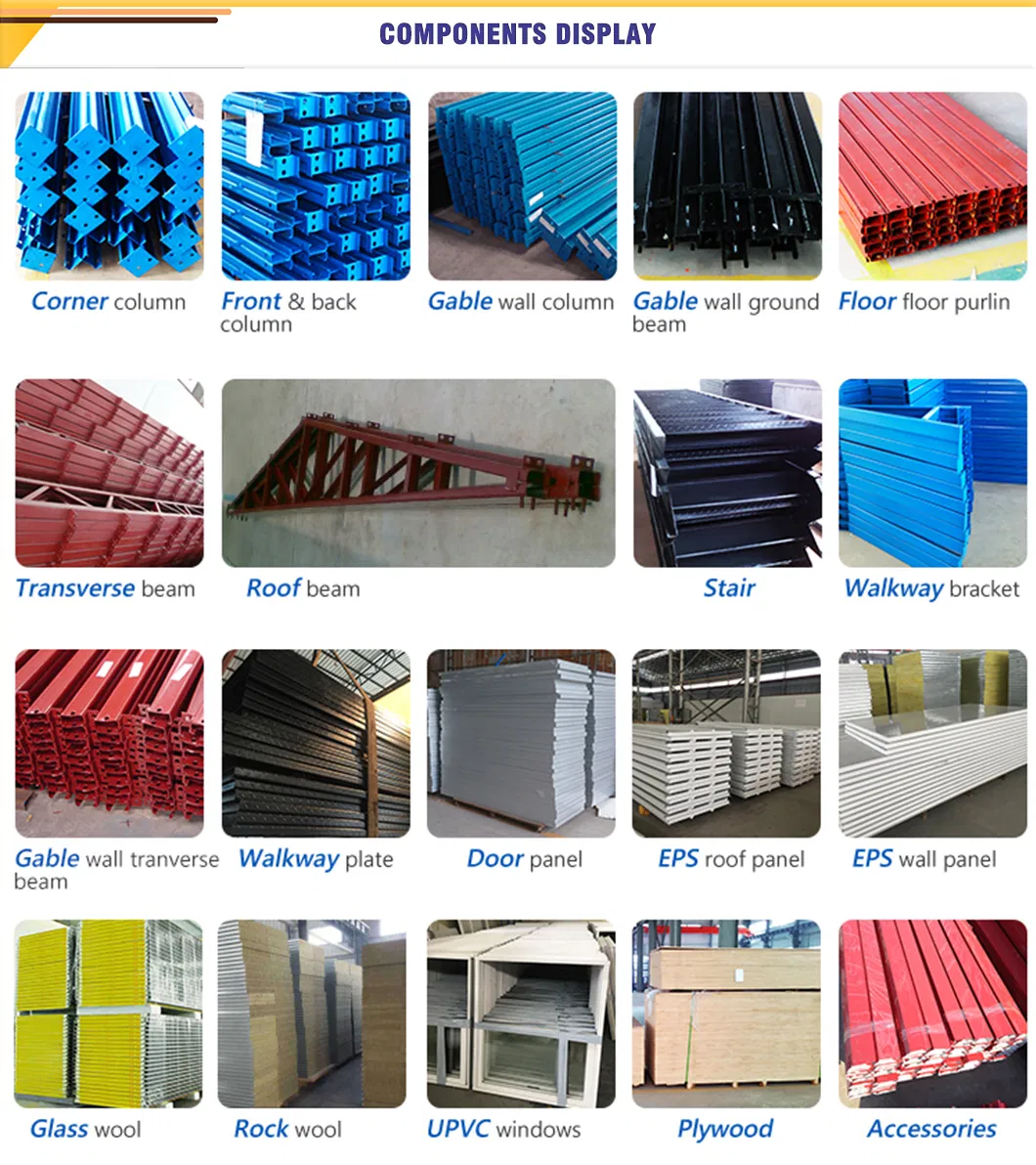
We offer four main options for sandwich panels: EPS (Expanded Polystyrene), Glass Wool, Rock Wool, and PU (Polyurethane) for superior thermal retention.
 CasaDe Home